THE CLAY
Saved by fire
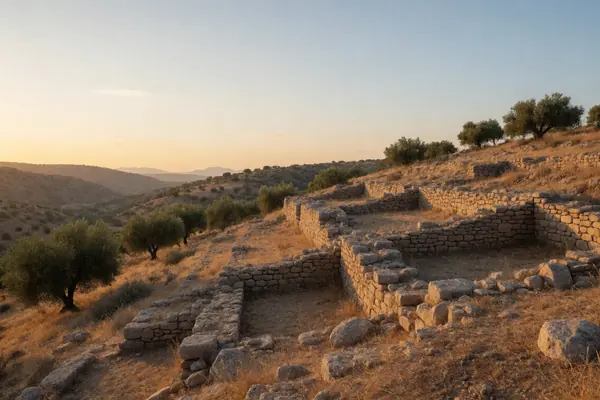
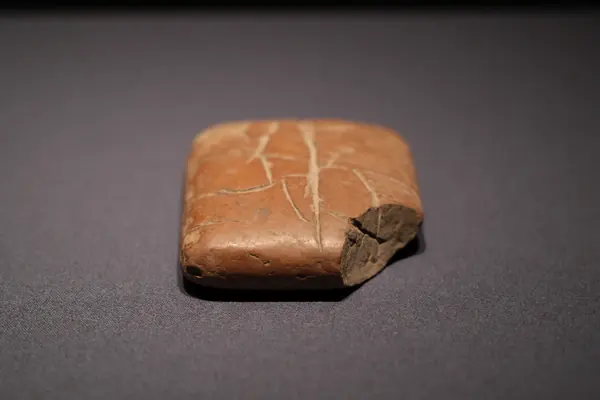
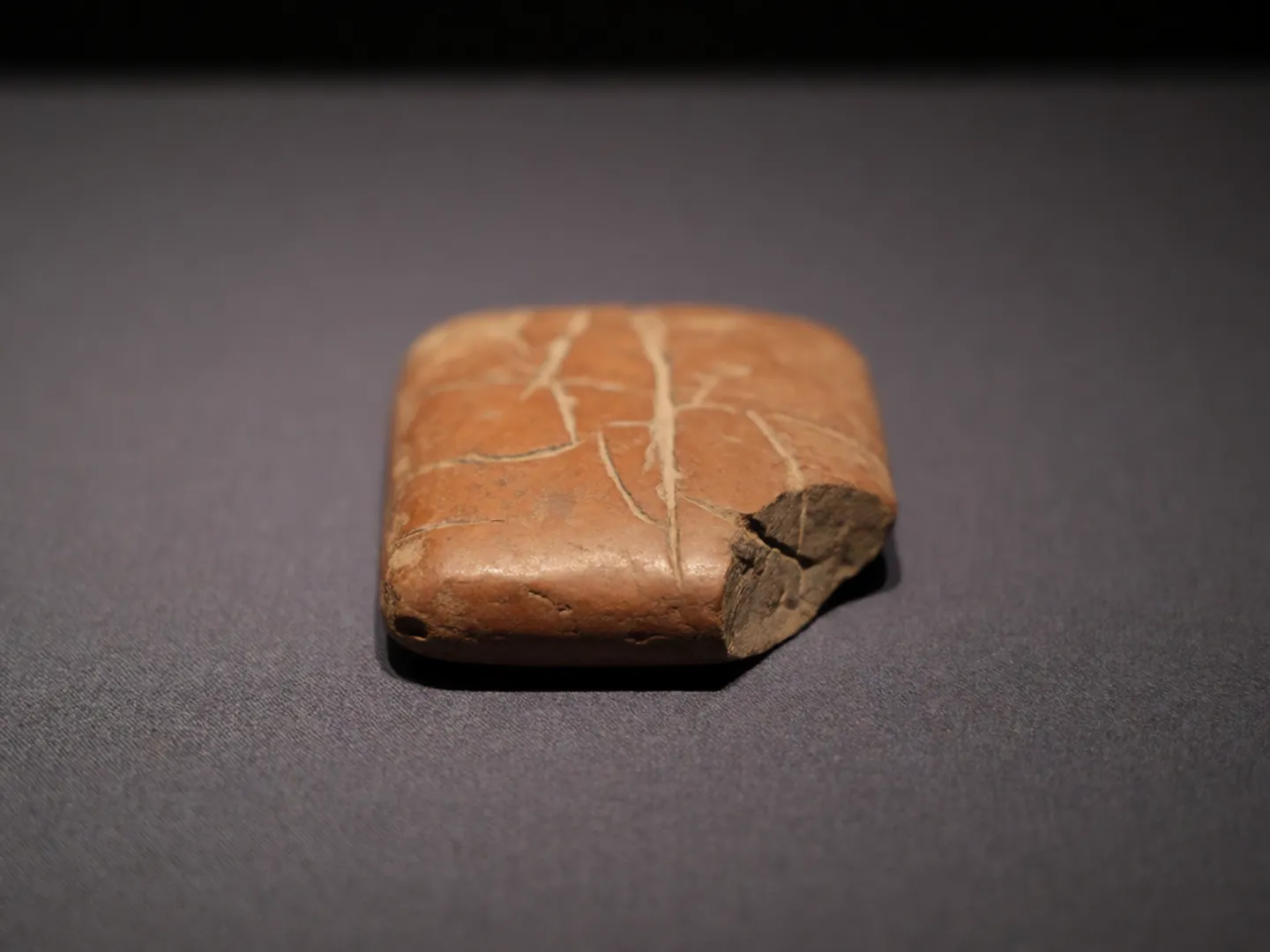
When the buildings that housed the tablets burned, many were baked hard, which preserved them, much as with cuneiform tablets.
Meet the decoders dueltablets
HOW A SCRIPT WAS CRACKED
The oldest Greek writing is mostly lists.
Meet the decoders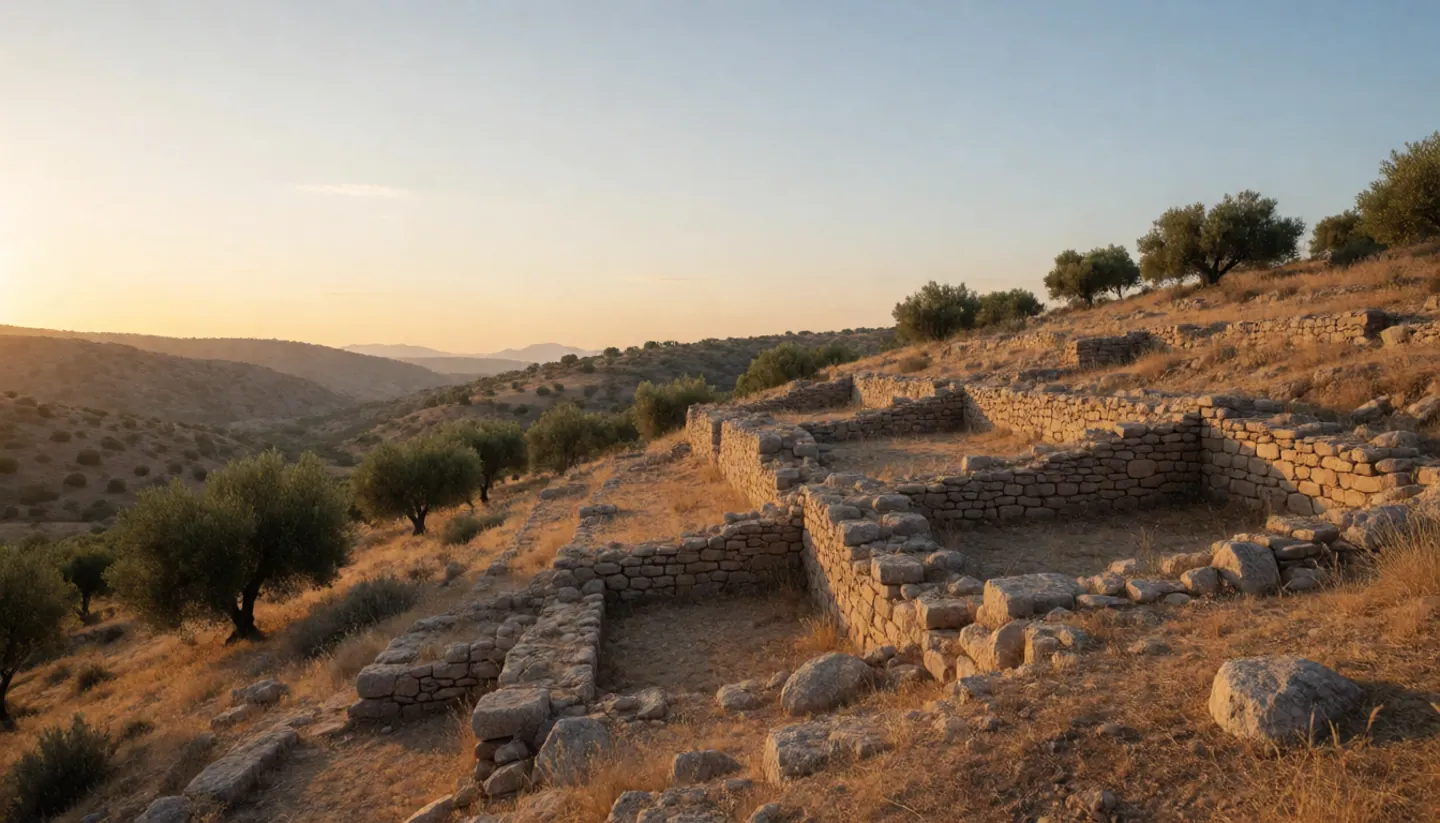
c. 1450 BCearliest examples
Linear B tablets were palace records of sheep, wheels, chariots and offerings, written in clay that was never meant to last. When the buildings burned, the tablets baked hard, and in 1952 their script was finally read.
At a glance
≈ 87 signs
Syllabic signs, plus over 100 ideograms
The script has roughly 200 signs in all: syllables with sound values, and ideograms for goods such as horses, chariots or wool.
THE SIGNS · LINEAR B
45 scribes
Scribal hands detected among the Pylos tablets
In thousands of tablets, a relatively small number of scribes has been identified: 45 at Pylos and 66 at Knossos.
THE SCRIBES · PYLOS
TWO NUMBERS WORTH KNOWING
One figure on how many signs the script has,
one on how few hands wrote the records.
Linear B dates from about 1450 BC, centuries before the Greek alphabet. Its parent script, Linear A, still has not been deciphered.
MEET THE DECODERS
The decipherment took half a century and several people. Pick a step to see its part. The bar shows how close it brought the script to being read.
Based on accounts in Antigone (2024), a Cambridge University Press book excerpt on Linear B, and reference works.
THE SHORT ANSWER
Three facts explain why we can read these tablets.
Each comes from published accounts of the decipherment.
THE CLAY
When the buildings that housed the tablets burned, many were baked hard, which preserved them, much as with cuneiform tablets.
Meet the decodersTHE SCRIPT
Linear B has around 87 syllabic signs and over 100 ideograms standing for objects or goods, with no sound value of their own.
See the numbersTHE BREAKTHROUGH
In 1952 the architect Michael Ventris showed the language was an early form of Greek, building on the work of the classicist Alice Kober.
How it was cracked
HOW A TABLET IS BUILT
Even before decipherment, scholars could see how the records were laid out. These features made the code breakable.
Words are neatly separated and usually appear in groups of one or two, which helped decoders spot repeated words.
Pictographic signs, such as a horse's head or a chariot, show the commodity being counted.
Number signs follow the items, so many tablets are simply inventories: wheels of elm, so many; sheep, so many.
The last sign of a word sometimes changes, as endings do in Greek and Latin. Spotting this pattern was a key step.
HOW IT WAS CRACKED
Michael Ventris first saw Minoan finds as a schoolboy and wrote to Evans about the tablets as a teenager. After war service as an RAF navigator he trained as an architect, studying the script in his spare time and writing a series of numbered 'work notes'.
On 1 June 1952 he wrote a note doubting his own result: were the Knossos and Pylos tablets written in Greek? Weeks later, on 1 July, he told BBC listeners they were. Many tablets turned out to be lists of commodities, people and offerings.
Questions
A syllabic script used to write Mycenaean Greek, the earliest attested form of Greek, with examples from around 1450 BC. It was adapted from the earlier, still undeciphered Linear A.
They were not meant to last. When the buildings housing them were destroyed by fire, many tablets were baked hard, which preserved them.
Michael Ventris, an English architect and self-taught linguist, in 1952, building on Alice Kober's research. He then worked with the classicist John Chadwick to test and publish it.
Mostly administrative records from palaces: lists of goods, people, livestock and offerings, such as wheels, chariots, horses and corselets.
Mainly at Mycenaean palace sites, especially Knossos on Crete, first excavated by Arthur Evans from 1900, and the Palace of Nestor at Pylos, where about 1,000 were found in 1939.
Sources
ABOUT THIS NAME
dueltablets.com is part of the DoodleSale portfolio. It isn't in an auction right now, but you can ask about leasing it.